Padlocks: Portable Security Through History
The padlock is the most recognizable lock form: a self-contained body, shackle, and keyed or combination mechanism portable enough for gates, lockers, and shipping containers. Romans mass-produced wrought-iron padlocks with warded keys; Chinese craftspeople built brass puzzle padlocks; modern factories stamp out millions of laminated steel units annually.
Because padlocks hang exposed, they balance toughness, weather resistance, and replaceability rather than subtle integration — a different design philosophy than mortise locks.
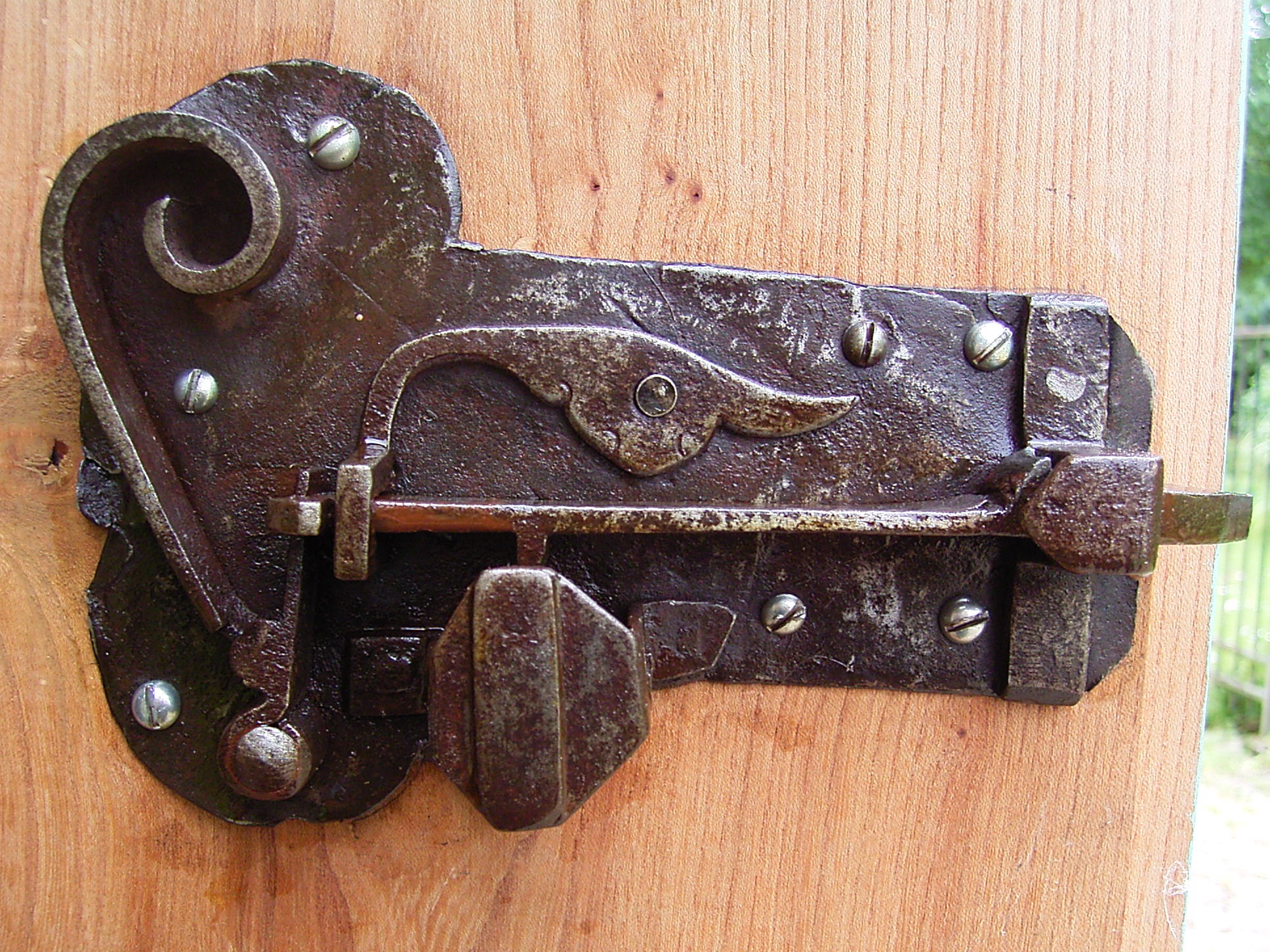
Roman and Medieval Origins
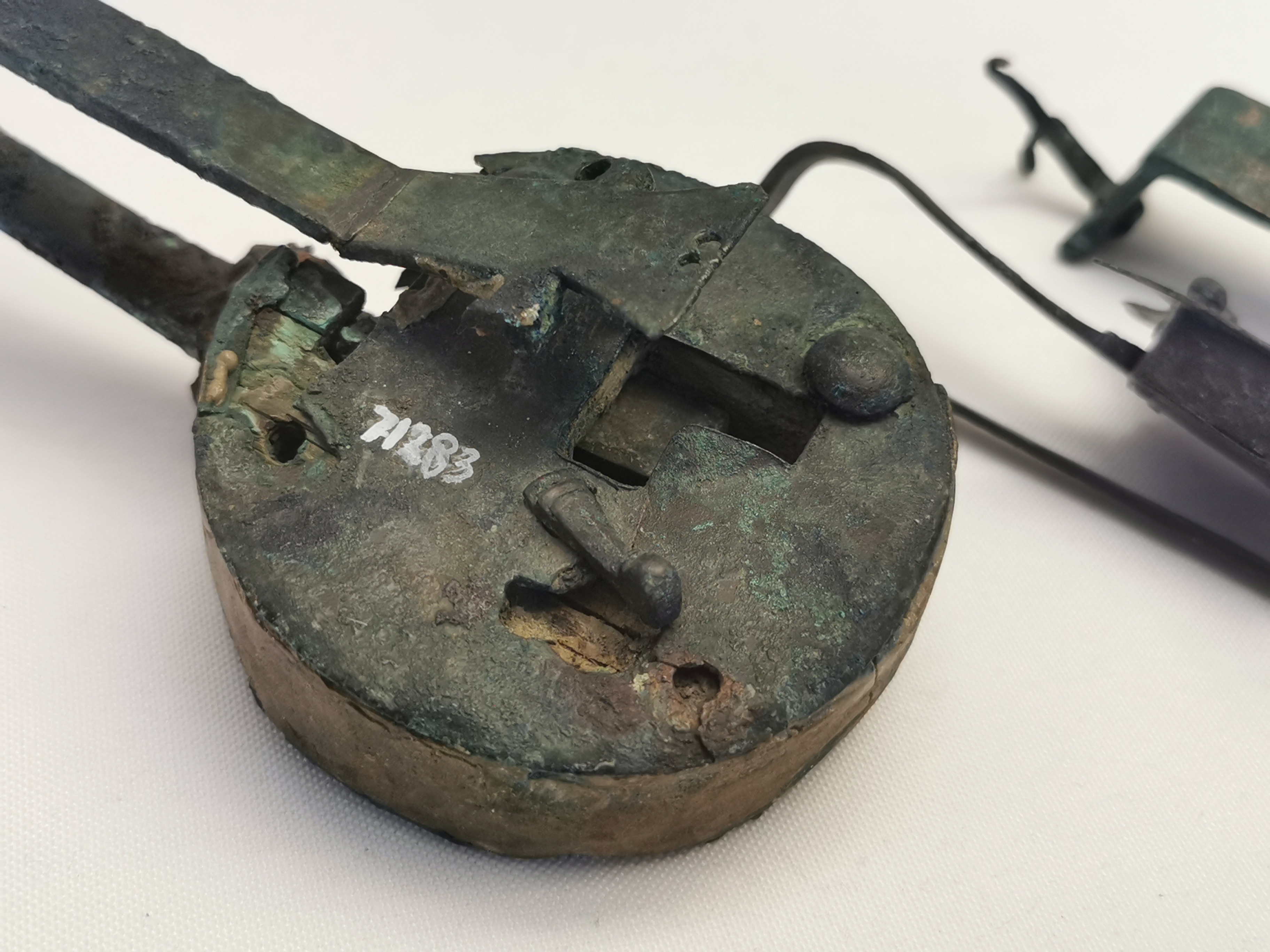
Roman padlocks often used a warded keyhole in a rectangular iron body with a hinged shackle — designs copied across Europe. Medieval smiths added spring latches and screw-key mechanisms for chests and guild halls.
Warded and Lever Padlocks
Large warded padlocks guarded barns and warehouses. Smaller brass lever padlocks became popular in Britain for low-to-medium security. Keyways were fully exposed, so wards primarily blocked casual key trials rather than skilled picking.
The Laminated Revolution
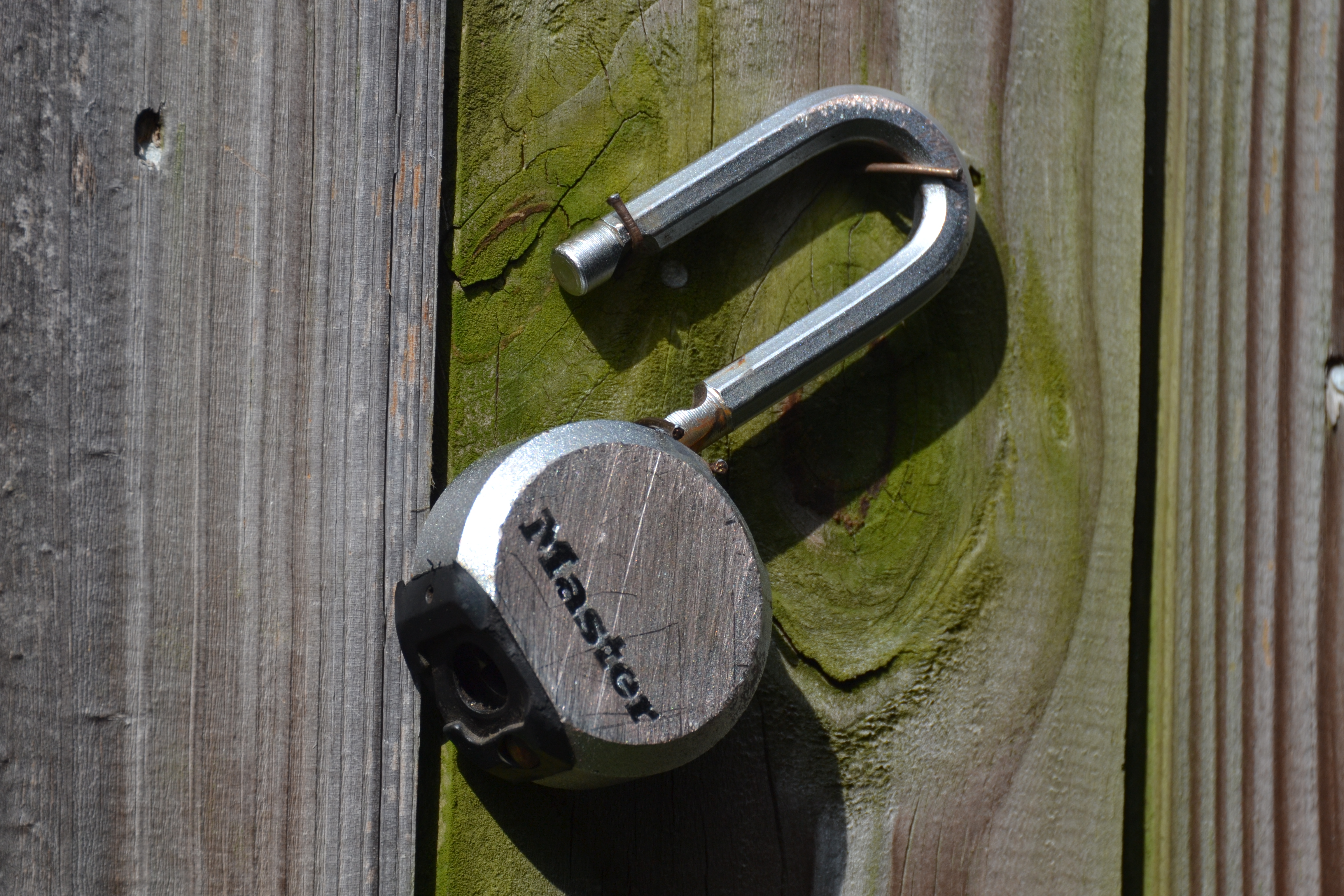
In 1921, Harry Soref founded Master Lock in Milwaukee, patenting laminated steel layers riveted together — strong, cheap, and easy to mass produce. The iconic silver laminated padlock became synonymous with school lockers and job-site gates.
Combination and Disc Padlocks
Combination padlocks eliminate keys — useful for shared lockers. Disc detainer padlocks (Abus, Abloy styles) resist cutting and picking better than basic pin tumblers. See disc detainer locks and combination locks.
Choosing Padlocks Today
Open shackle padlocks are flexible but vulnerable to bolt cutters. Closed-shackle and monoblock designs protect the shackle. Marine brass resists corrosion; hardened steel resists cutting. No padlock is invincible — placement and surveillance matter as much as the lock body.