Combination Locks: Secrets Without Keys
A combination lock opens when internal components align to a stored code — no key required. Mechanical safe locks use rotating dial and wheel packs; padlocks may use stacked discs; modern safes add electronic keypads with lockout timers.
Combination systems excel where key distribution is impractical (shared safes, school lockers) or where dual control is mandated (two separate combinations or time locks).
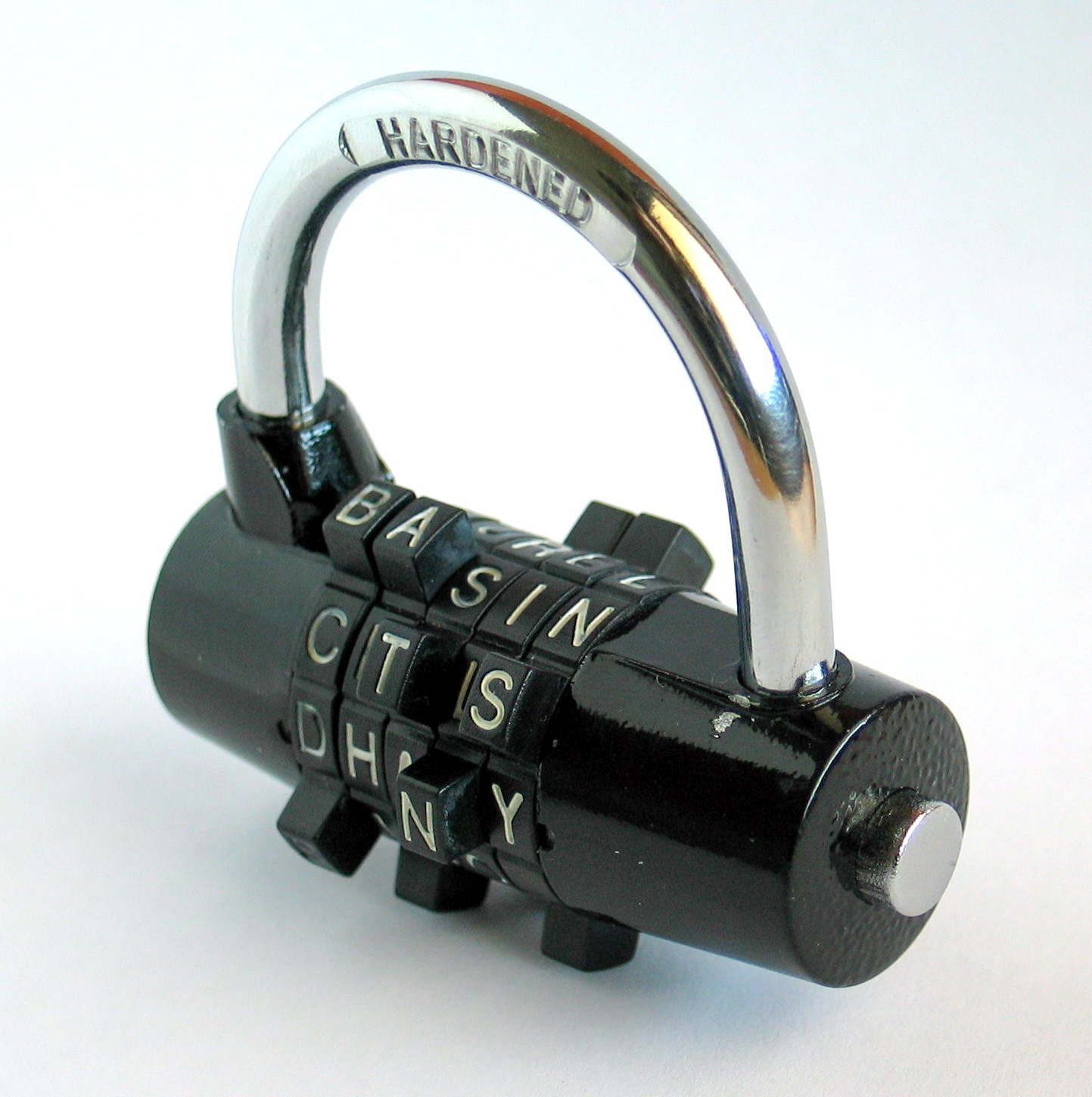
Mechanical Wheel Packs
Turning the dial rotates a spindle connected to wheels with gates. Each correct number aligns another wheel until all gates line up at an unlock point. False gates and anti-manipulation features frustrate touch-based attacks.
Push-Button and Scramble Pads
Mechanical push-button locks (Simplex-style) use pressing sequences rather than dials. Electronic versions store codes in memory, log attempts, and integrate with audit software.
Manipulation and Defense
Skilled safe technicians can sometimes manipulate wheel packs by feeling gate positions through the dial — a legitimate opening method for lost combinations, also studied by burglars. High-security locks add false gates, radiused wheels, and clutch mechanisms. See James Sargent for historical context.
Dual Control and Time Locks
Bank vaults pair combination locks with time locks so no single person can open alone outside business hours — a policy layer atop mechanical secrecy.
Everyday Uses
Gym lockers, gun safes, and hotel safes rely on combinations for convenience. Users should treat combinations like passwords: unique, not written on the door, and rotated after staff changes.