Disc Detainer Locks: Rotating Wafer Security
The disc detainer lock (also spelled disk) replaces pin tumblers with rotating discs, each with a true gate and false gates. The correct key rotates each disc to align all true gates with a sidebar, allowing the plug or shackle to move.
Finnish firm Abloy popularized the format; disc detainer padlocks and cylinders remain favorites for utilities, prisons, and outdoor infrastructure where pick resistance and weather sealing matter.
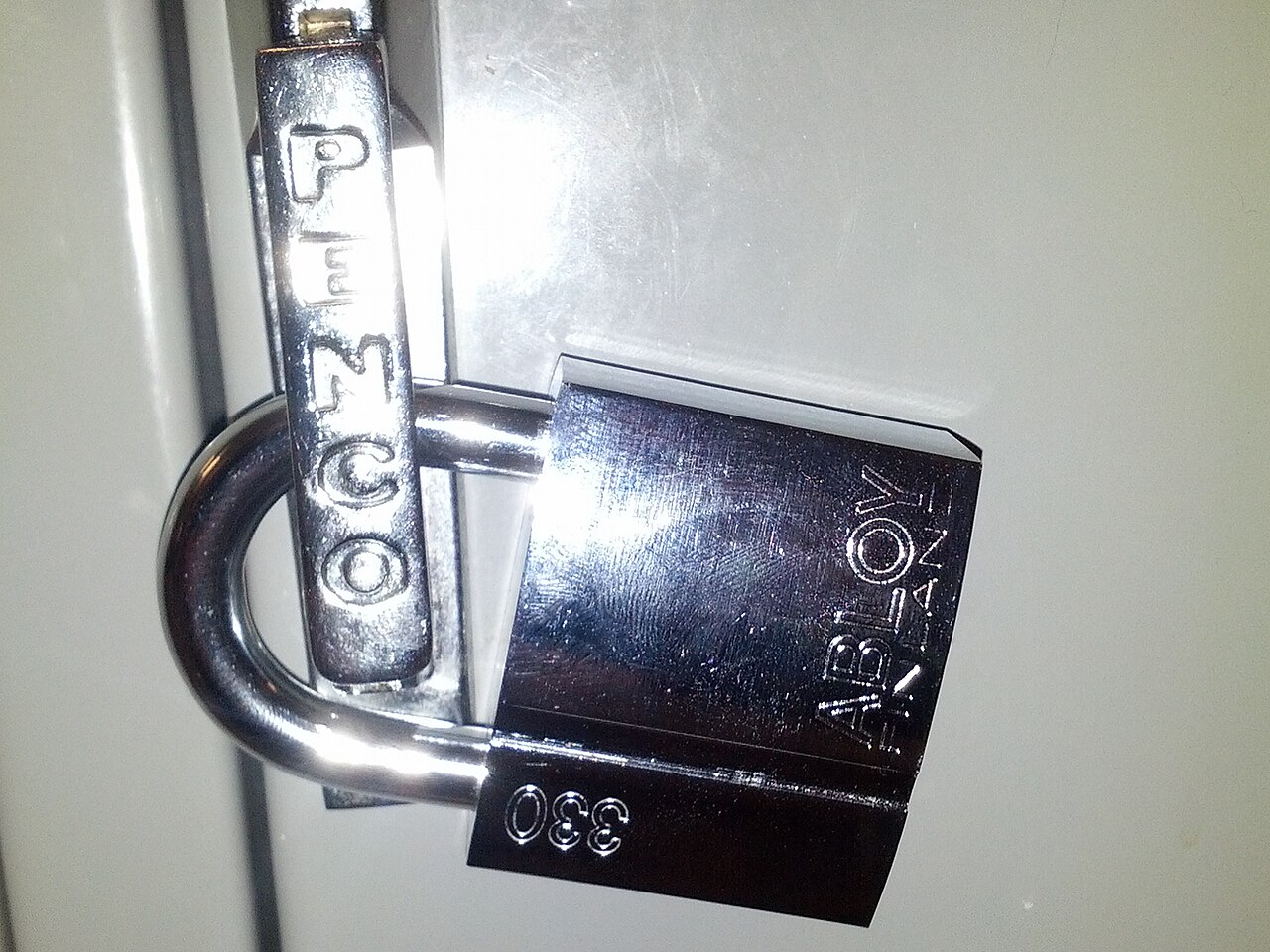
Operating Principle
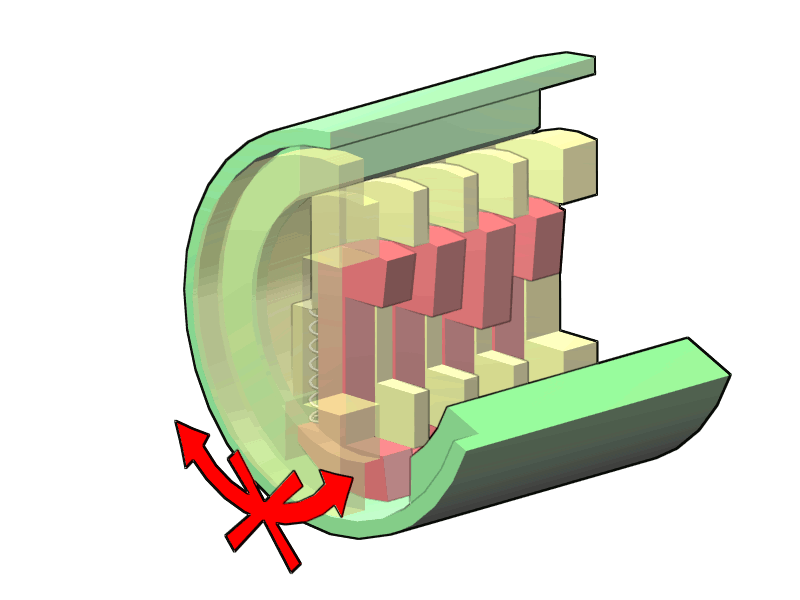
Key bitting rotates discs to precise angles. False gates catch pickers who overshoot. Because discs rotate rather than lift vertically, the mechanism feels different from pin tumblers — specialized tools are required.
Abloy and Emil Henriksson
Emil Henriksson patented the Abloy disc cylinder in 1907. Decades of refinement produced Protec2 and related lines with hardened inserts and restricted key profiles.
Advantages
Few exposed springs, excellent corrosion resistance in padlock form, and strong resistance to casual picking. Disc cores can be rekeyed with factory tooling.
Limitations
Cost and availability of blanks restrict DIY rekeying. Not all locksmiths stock disc service parts. Integration into North American residential doors is uncommon compared to pin cylinders.
Comparison to Pin Tumblers
Both are mechanical symmetric-key systems vulnerable to destructive entry (cutting, drilling). Disc designs trade ubiquity for specialized security — a deliberate market choice, not a universal upgrade.