Safe Cracking: Manipulation, Drilling, and Explosives
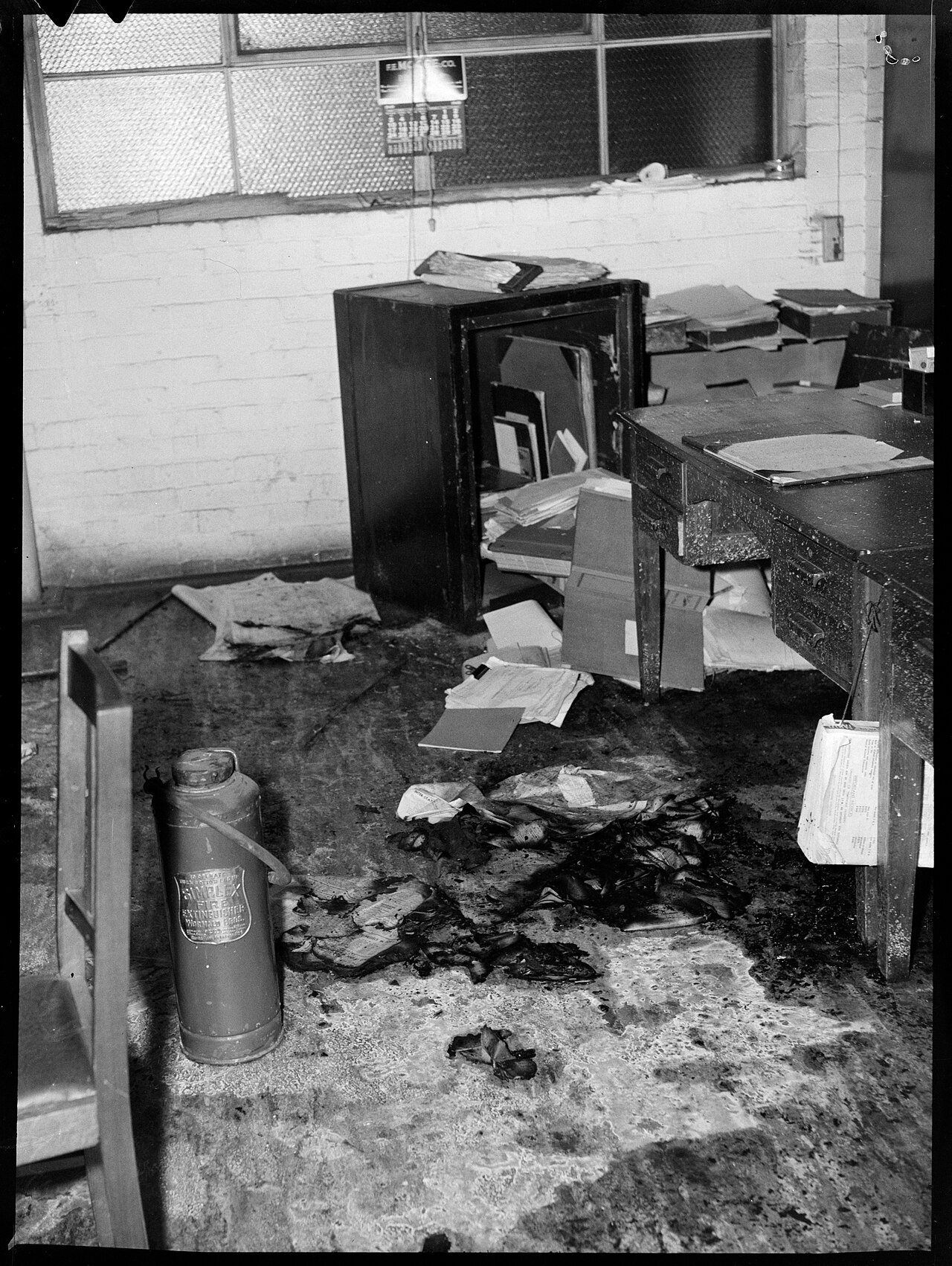
Hollywood portrays safe cracking as stethoscopes and ticking clocks. Real history mixes skilled manipulation, brute drilling, and — in the 19th century — nitroglycerin charges applied by "yeggs" targeting railroad payroll safes.
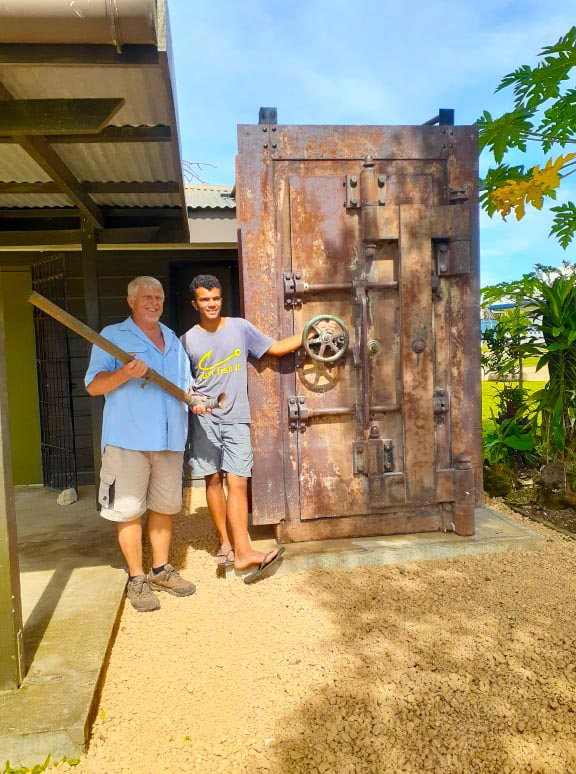
Each breach method drove mechanical countermeasures: glass relockers, active and passive boltworks, hardplate steel, and time locks that removed the reward of a quick opening.
Manipulation
Technicians align wheel packs by interpreting dial feedback — a legitimate skill for lost combinations. Criminals studied the same techniques, prompting false gates and radiused wheels in high-security locks.
Drilling and Scoping
Hardened drills penetrate soft iron cases to expose lever or wheel mechanisms. Modern safes layer hardplate, carbide chips, and relockers that trigger secondary bolts when penetration sensors break.
The Nitro Era
Before electric tools, gangs blew safe doors with nitroglycerin — dangerous to criminals and bystanders alike. Manufacturers thickened doors and introduced manganese steel alloys.
Relockers and Time Delays
Glass plates holding spring-loaded bolts shatter when drilled, freezing the mechanism. Time locks ensured stolen combinations still could not yield immediate cash — see James Sargent.
Modern Professional Opening
Certified safe technicians use bore scopes, autodialers (where legal), and non-destructive methods prioritized by insurers. Knowledge of cracking history informs which safes merit upgrade versus replacement.