RFID Locks and Proximity Credentials
RFID locks authenticate users via radio-frequency credentials — plastic cards, key fobs, or NFC phones — instead of mechanical bitting. Hotels popularized magnetic stripe and then RFID room locks; offices adopted 125 kHz proximity and 13.56 MHz MIFARE DESFire for access control integration.
Understanding frequency, encryption, and credential issuance separates secure deployments from cloneable badge systems.
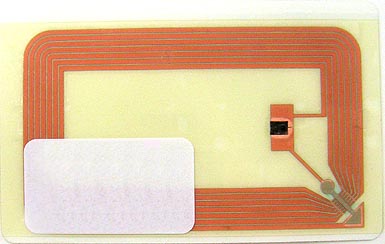
125 kHz Proximity
Low-frequency cards present a facility code and card ID to readers. Early systems transmitted statically — cloneable with inexpensive tools. Still common in legacy installs.
13.56 MHz Smart Cards
MIFARE Classic (deprecated for new builds), DESFire EV2/EV3, and iCLASS SE offer challenge-response encryption. Properly configured, they resist simple cloning.
Mobile Credentials
Apple Wallet and Android NFC store rotating keys tied to access control servers — reducing plastic waste and enabling instant revocation.
Hotel Workflow
Front desks encode time-bounded room keys at check-in. Housekeeping and maintenance receive segmented privileges. Encoder stations must be physically secured — a weak point if left on an open PC.
Locksmith Integration
Servicing RFID locks blends mechanical cylinder work with software enrollment. Battery changes, latch alignment, and reader calibration remain hands-on tasks even in "keyless" buildings.