Panic Hardware and Exit Devices
Panic hardware — exit devices with push bars — lets occupants flee buildings without knowledge of locks or keys. Mounted on outswinging doors, the bar retracts the latch when pressed, satisfying fire and life-safety codes that prioritize human egress over theft prevention.
Invented amid tragic fires where locked exits killed crowds, panic hardware now defines how schools, theaters, and hospitals secure perimeter doors.
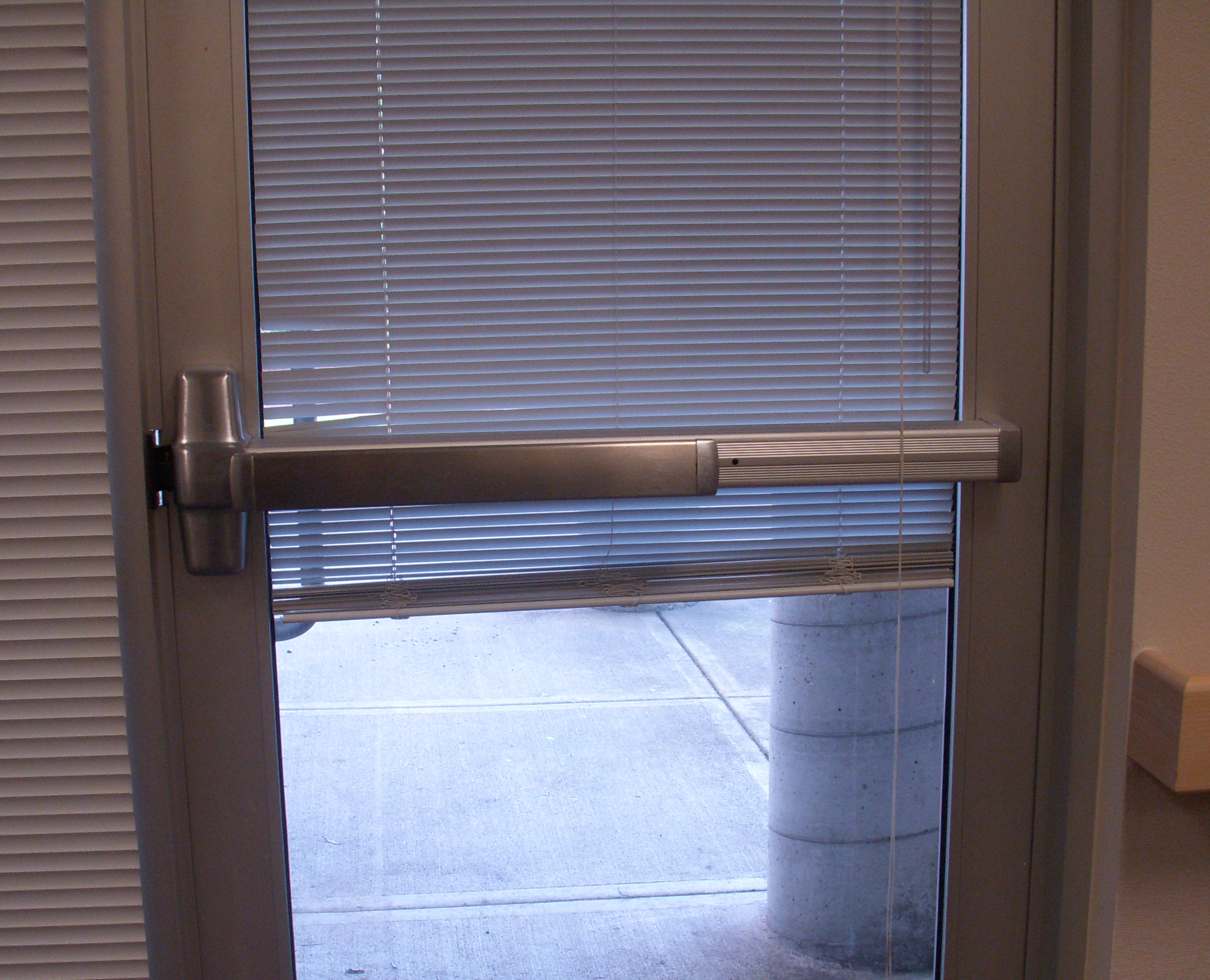
Origins and the Von Duprin Story
After the 1903 Iroquois Theatre fire in Chicago, regulators demanded reliable egress. Carl Prinzler, who missed the tragedy personally, partnered with engineer Henry Du Pont (Von Duprin) to develop a latching device operable by body pressure — patented 1910.
How Exit Devices Work
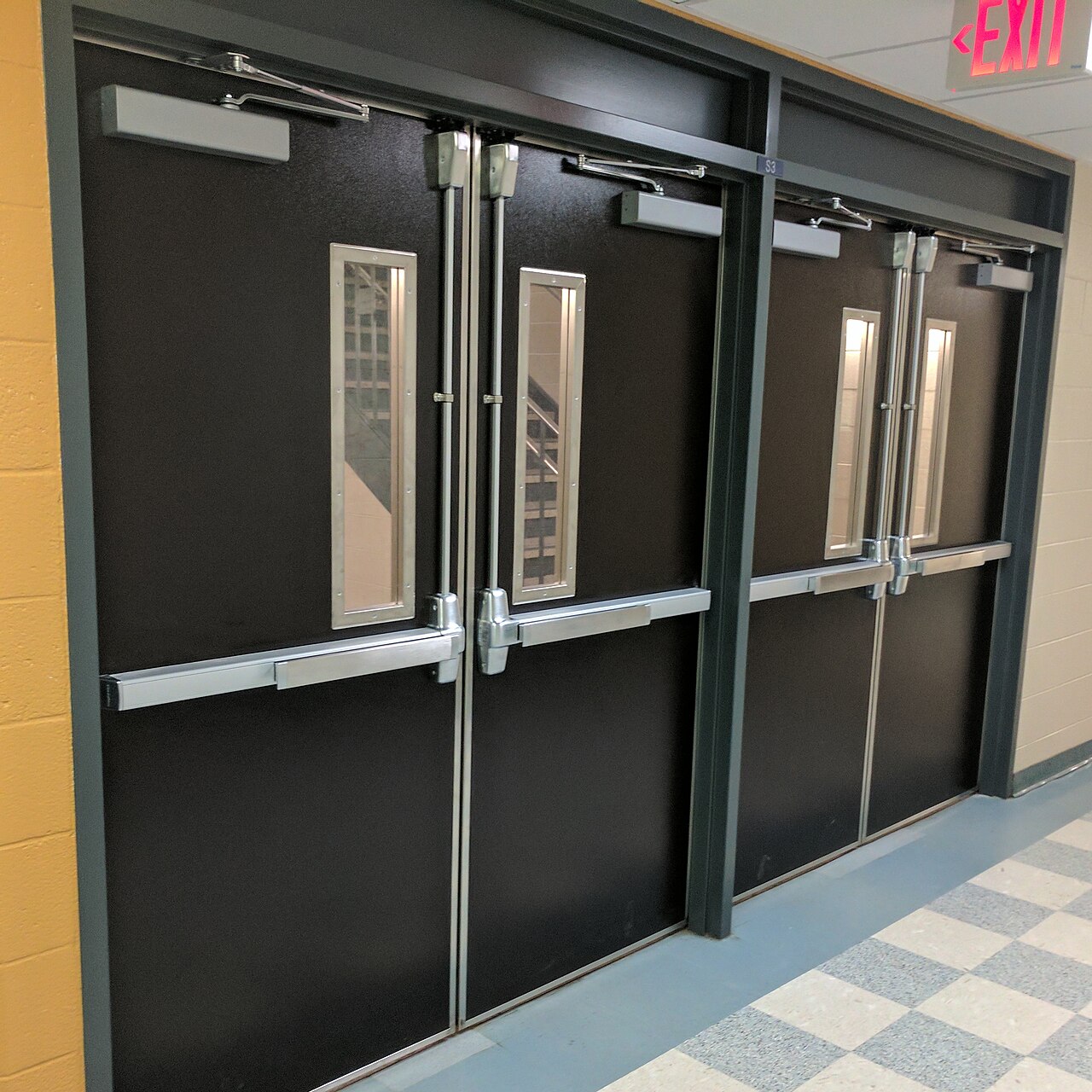
A horizontal bar activates a mechanism retracting latch bolts or vertical rods (for double doors). Outside entry still requires keyed or lever trim; inside is always free. Fire-rated models are tested with doors in closed positions for specified durations.
Codes and Inspections
NFPA 101 and IBC govern installation height, force to operate, and pairing with fire alarms. Inspectors cite blocked panic bars with storage or chains — a common life-safety violation.
Security Pairing
Alarmed panic hardware sounds when bars are pressed during unauthorized hours. Delayed-egress maglocks (where code permits) combine electromagnetic holding with timed release — controversial but used in retail loss prevention.
Locksmith Role
Installing and servicing panic hardware requires door prep expertise, fire label preservation, and coordination with access control integrators. Misinstalled exit devices can fail inspections or trap occupants — stakes higher than typical lock changes.