Master Keying: Hierarchical Access Explained
Master keying lets different keys operate overlapping sets of locks. A tenant key opens one door; a master opens every door on a floor; a grand master opens the building. The technique uses spacer pins or master wafers to create additional valid shear planes in pin tumbler cylinders.
Essential for hotels, schools, and offices — but each added level of access slightly reduces combinatorial security, so system design demands discipline.
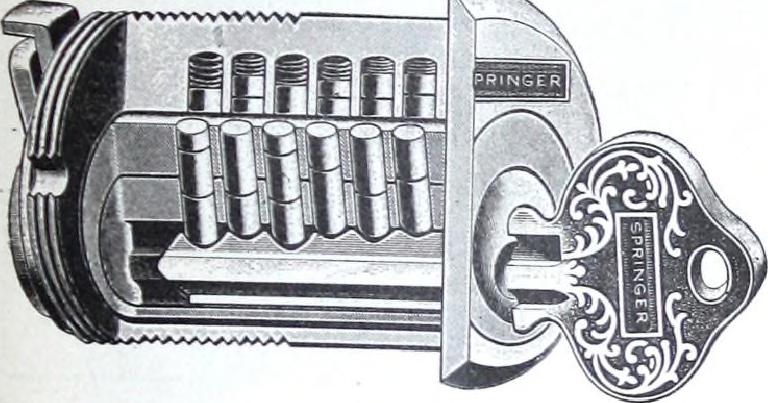
How Master Wafers Work
Between the key pin and driver pin, a thin master wafer creates a second gap that can align at the shear line when a master key bitting lifts pins to a different height. Change keys use one shear plane; master keys use another.
Key Hierarchy
- Change key (KA): Operates one lock or one suite.
- Master key (MK): Operates a group — e.g., a floor.
- Grand master (GMK): Operates multiple master groups.
- Great grand master: Rare; entire campuses.
Security Trade-offs
More master levels mean more possible bitting combinations that align pins — slightly easier for skilled pickers or key system compromise. Best practice: limit levels, use restricted keyways, and control blank distribution.
Institutional Standards
Large systems document pinning charts in software (e.g., proprietary key system databases). Locksmiths must follow strict issuance logs — a lost grand master is a building-wide incident.
Alternatives Today
Electronic access control replaces physical master hierarchies with time-bound credentials. Many new construction projects hybridize: mechanical master keyed cores for override, cards for daily use.