Joseph Bramah: Precision, Hydraulics, and the Unpickable Lock
Joseph Bramah (1748–1814) was a Yorkshire-born inventor whose name became synonymous with precision engineering. A cabinetmaker by training, he patented a pick-resistant lock in 1784 and famously offered a reward to anyone who could open it — a publicity tactic that kept challengers busy for decades.
Bramah's influence extended beyond locksmithing. His hydraulic press transformed manufacturing; his water closet designs improved sanitation; his workshop trained engineers who would shape the Industrial Revolution. In security, the Bramah lock represented a new expectation: locks should resist skilled attack, not merely casual misuse.
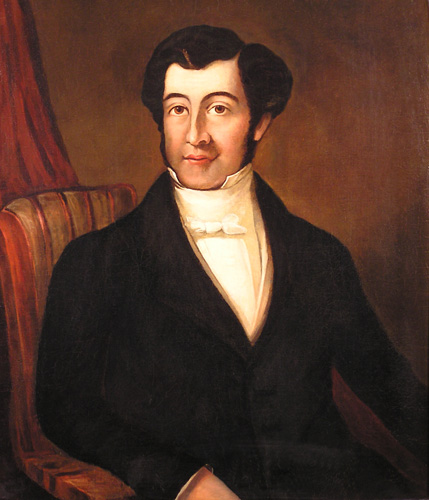
From Farmer's Son to London Inventor
Born near Barnsley, Bramah moved to London and established a reputation for fine cabinetry. Clients demanded better locks for desks and strongboxes. Existing warded mechanisms were too easy to pick with simple tools. Bramah studied the problem and designed a lock using a cylindrical key and closely toleranced sliders — radically different from warded bit keys.
The 1784 Patent and Challenge Lock
Bramah's 1784 patent described a lock operated by a tubular key that aligned wafer-like sliders. Precise machining was essential: too much play invited picking; too little caused jamming. Bramah placed a sign in his shop window offering 200 guineas to anyone who could pick the lock — a sum that attracted professional attention.
The challenge stood for 67 years until Alfred Hobbs opened a Bramah lock during the Great Exhibition era — but by then Bramah's reputation was already cemented. Read more about the mechanism in our Bramah Challenge Lock article.
The Hydraulic Press and Workshop Culture
Bramah's hydraulic press (patented 1795) applied Pascal's principle to generate enormous force for shaping metal — critical for consistent lock components. His Soho workshop became a training ground; employees like Henry Maudslay advanced machine tooling. Bramah locks were as much products of industrial culture as of clever geometry.
Business and Succession
Bramah & Co. continued after his death, producing locks, beer pumps, and sanitary ware. The lock division maintained prestige among bankers and government clients who valued the brand's association with quality. Competitors studied Bramah tolerances when developing their own high-security cylinders.
Lasting Influence
Bramah proved that security could be marketed on demonstrated strength, not obscurity. Later inventors — Chubb, Yale, Hobbs — all operated in a market Bramah helped define: one where locksmiths, criminals, and the public debated what "unpickable" really meant.