Ancient Greek Locks and Key Symbolism
Ancient Greece did not produce a single dominant lock type like Rome's warded padlocks or Egypt's wooden pin tumblers, but Greek craftsmen contributed important bronze mechanisms and — equally significant — a cultural vocabulary of keys as symbols of power and responsibility.
Archaeological finds from houses, temples, and tombs reveal warded and bolt-based fixtures, often paired with large decorative bronze keys. Understanding Greek lock hardware clarifies how security intertwined with religion, domestic life, and political metaphor in the classical world.
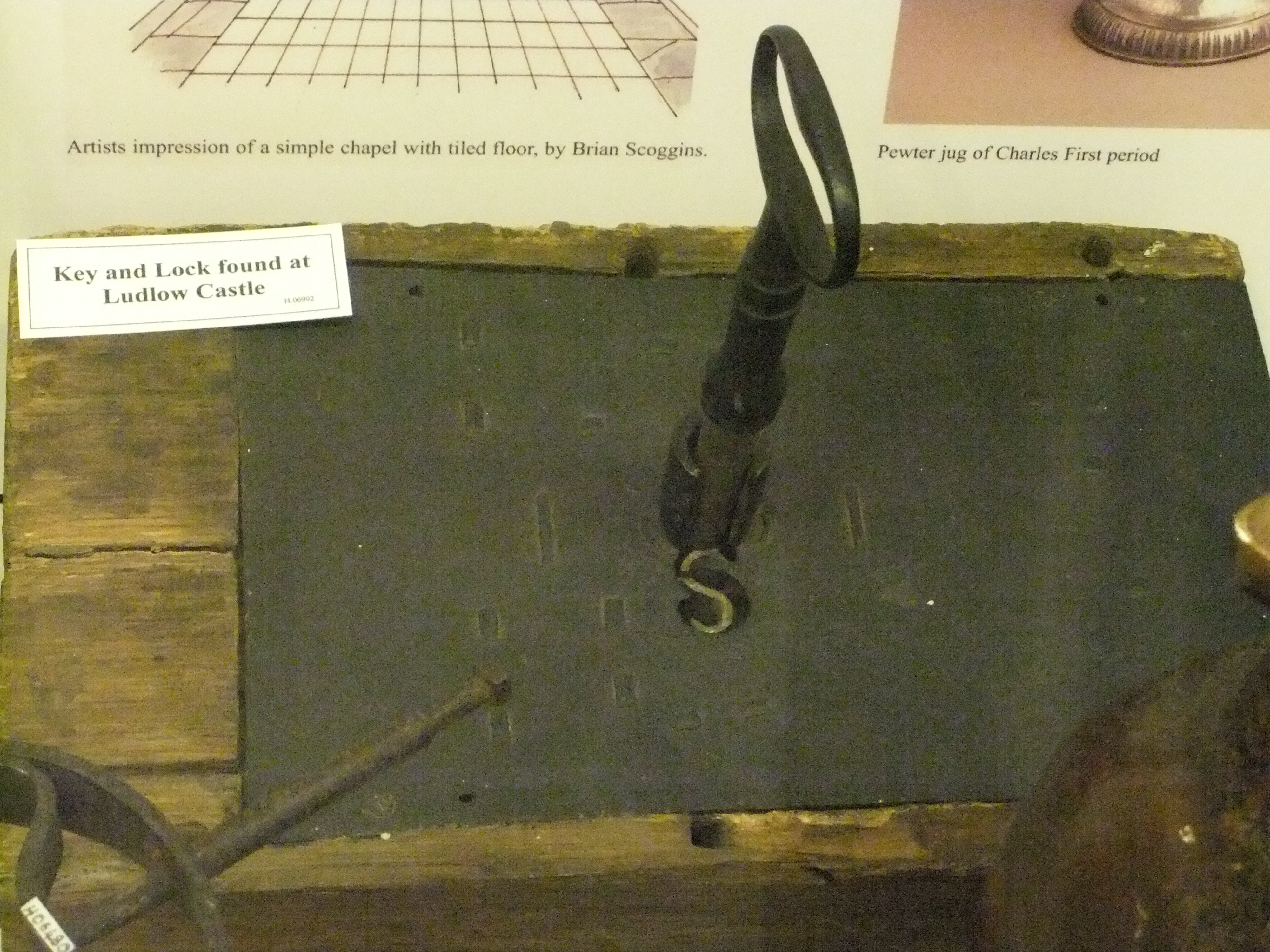
Archaeological Evidence
Excavations at Olynthus, Pompeii's Greek-influenced households, and various temple sites have uncovered bronze door fixtures and keys with elaborate bow designs. Many operated simple bolt or ward systems rather than complex lever packs.
Keys were sometimes buried with the dead, symbolizing the deceased's authority or guardianship in the afterlife — a practice echoing Egyptian beliefs about protecting tomb goods.
Mechanisms
Greek residential security often relied on wooden doors reinforced with bronze bands and a horizontal bolt secured by a removable key. Warded bit keys restricted which pins or obstructions could clear the bolt path. While not as documented as Roman cast locks, the principles parallel Mediterranean craft traditions shared across trading cultures.
Keys as Metaphor
Greek literature and later Hellenistic philosophy used the key as metaphor for knowledge ("keys to understanding") and custodianship. Temple priests held keys to treasuries; city stewards controlled granary locks. The physical object reinforced social roles.
Comparison with Rome and Egypt
Egyptian pin tumblers predated Greek classical periods; Roman metalwork later standardized portable padlocks for military and trade. Greece sits between these traditions — adopting Asian and Egyptian ideas through trade while influencing Roman decorative styles.
Legacy
Modern Greek tourist shops still sell reproduction "ancient keys" because the form remains culturally legible. For historians of technology, Greek material reminds us that locks are always social objects, not only mechanical ones.