Alfred Charles Hobbs: The Locksmith Who Shook Victorian England
In 1851, Alfred Charles Hobbs arrived at London's Great Exhibition representing the American lock firm Day & Newell. His daily demonstrations — opening revered Chubb and Bramah locks in minutes — scandalized the British locksmith establishment and made international headlines.
Hobbs was not merely a showman. His visits to England accelerated cross-Atlantic competition, prompted redesigns of "unpickable" locks, and illustrated that security claims must survive public scrutiny — a lesson still relevant in today's smart-lock marketing.
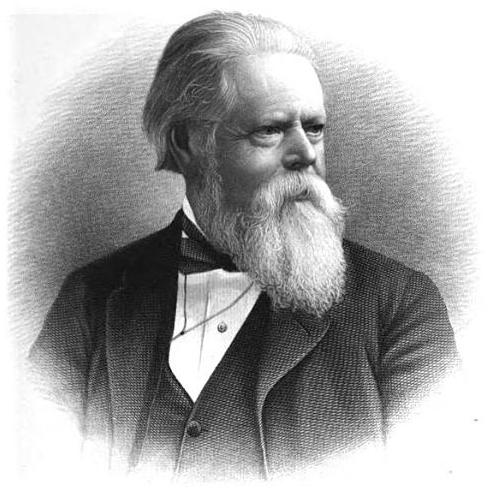
Background at Day & Newell
Hobbs worked for Day & Newell of New York, promoters of the Parautoptic lock with many lever combinations. American manufacturers believed their products could compete with — and exceed — English craftsmanship. The Exhibition offered a stage to prove it.
The Crystal Palace Demonstrations
Hobbs picked a Chubb detector lock using specialized tools and intimate knowledge of lever gating. He eventually opened a Bramah challenge lock as well — ending a 67-year public winning streak. Newspapers sensationalized the events; lock makers issued rebuttals.
Crowds gathered at the American stand to watch a craft that was usually hidden. Hobbs framed picking not as crime, but as quality assurance: if he could open a lock, so could a skilled burglar.
Industry Reaction
English firms strengthened levers, added false gates, and tightened manufacturing tolerances. Chubb introduced new patents within years. The episode also boosted interest in locksmith education — understanding attack methods became part of legitimate trade training.
Hobbs's Own Inventions
Hobbs patented improvements in lock design and keyhole protectors. His 1851 book discussions (and later technical articles) documented tool marks and methods, contributing to early forensic awareness in burglary investigations.
Modern Parallel
Contemporary security researchers who publish lock bypass techniques follow Hobbs's controversial precedent: disclosure pressures manufacturers to fix flaws. The debate — responsible disclosure versus marketing "unpickable" — began in Victorian London.